%2Ffit-in%2F250x250%2Fguide_websites%2F55922%2Fimages%2F1775151483305screenshot2026-04-02133642.png&w=1920&q=100)
Rock Bass Fishing Trip St. Joseph Michigan
Rock Bass Fishing in Southwest Michigan - What to Expect
%2F%2Fusers%2F60eb38e3-d4d5-4d10-8c80-7dabb2f4a6e9%2Fimages%2Frock-bass-catch-lake-michigan-6256.png&w=1920&q=75)
Fishing Charter by Captain Jon Chizmadia in September

- Expert Fly Fishing Guide Jon Chizmadia


Summary
This guided fishing charter in St. Joseph showcases a successful rock bass catch at Lake Michigan, highlighting the productive waters surrounding Southwest Michigan. Jon Chizmadia of St Joe Angler leads anglers through seasonal fishing techniques and local habitat knowledge, making this an ideal learning opportunity for understanding bass behavior and structure fishing in freshwater environments near the Great Lakes.
8-Hour Guided Fishing Adventure with St Joe Angler - Rates & Booking
Captain Jon Chizmadia of St Joe Angler leads guided fishing charters on Monday, September 7th, offering an 8-hour full-day river float expedition designed for up to two anglers. This charter focuses on seasonal species including bass, steelhead, and northern pike throughout Southwest Michigan's prime fishing waters. The trip includes personalized hands-on instruction covering water reading, casting technique, fish landing, and local fishing secrets. Anglers have the option to bring personal gear or use equipment provided by the guide. A valid Michigan fishing license is required before departure, and a 20% deposit secures your booking slot on these productive waters.
Trust Jon's local expertise and proven techniques refined through countless days on the Saint Joe River and surrounding hidden gem fishing locations. This charter is structured for both first-time fly fishermen seeking foundational skills and experienced anglers looking to refine their approach on unfamiliar water.
Highlights of 8-Hour Guided Fishing Adventure
The full-day format maximizes your time on productive waters, allowing the guide to adjust location and technique based on real-time conditions and seasonal fish activity. With limited group size, you receive undivided attention and personalized coaching throughout the eight hours. The combination of river float dynamics and access to lesser-known Southwest Michigan fishing locations creates opportunities to encounter multiple species and learn how environmental factors influence fish behavior.
These waters near Lake Michigan present unique conditions where fresh and transitional ecosystems support diverse fish populations. Your guide navigates these nuances and positions you for optimal success while explaining the reasoning behind each location choice and technique adjustment.
Local Species Insights: Rock Bass
Rock bass represent a rewarding target species in Southwest Michigan waters, particularly in areas with structural elements like rocky bottom, fallen timber, and depth transitions. These fish are aggressive feeders that respond well to live bait and artificial lures, making them excellent subjects for learning predator behavior and presentation techniques. Rock bass typically inhabit cooler, well-oxygenated sections of rivers and near-shore lake areas, thriving in environments with moderate current and visible structure.
Understanding rock bass habitat preferences teaches valuable lessons applicable to other bass species. These fish position themselves to intercept food with minimal energy expenditure, usually holding near cover or current breaks. Their feeding patterns shift seasonally, with spring and fall typically producing aggressive feeding periods. During summer months, rock bass move to deeper, cooler sections. Winter activity reduces significantly but becomes concentrated in specific depth zones where experienced guides know to locate them.
Rock bass are identifiable by their distinctive coloration featuring olive-green backs, reddish eyes, and lateral band patterns. They typically range from 6 to 12 inches in Southwest Michigan waters, though larger specimens exceeding 2 pounds occur in less-pressured locations. The aggressive nature of rock bass makes them excellent teachers for beginners, as they respond quickly to proper presentation and provide immediate feedback on casting accuracy and lure selection. Learning to read water for rock bass conditions develops transferable skills applicable to largemouth bass, smallmouth bass, and other structure-oriented species.
Plan Your Fishing Day
Your eight-hour charter begins with guide leadership covering essential techniques tailored to current conditions and your experience level. The Saint Joe River float system allows efficient coverage of multiple productive zones while the guide controls pace and positioning. You'll spend continuous hours practicing casting, learning to identify fish-holding structure, and understanding how seasonal factors affect species location and feeding behavior. The guide provides real-time coaching on technique refinement, tackle selection, and decision-making processes used to locate and catch fish successfully.
Bring weather-appropriate clothing suitable for water conditions and sun exposure. The charter accommodates personal fishing gear or utilizes guide-provided equipment, so confirm equipment preferences during booking. Pack water and personal snacks as meals are not included. Your Michigan fishing license must be valid and current before the charter departure time. Limited group size ensures personalized attention and maximized learning opportunities throughout your full-day adventure on Southwest Michigan's productive fishing waters.
Fishing in Lake Michigan: Rock Bass

Rock Bass Overview
Rock Bass (Ambloplites rupestris) are a small but spirited game fish belonging to the Centrarchidae family within the order Perciformes. Despite their name, these feisty swimmers are actually members of the sunfish family, not true bass. Rock Bass earned their common name from their preferred habitat—rocky-bottomed lakes and streams where they thrive in shallow, clear waters. You'll recognize them instantly by their oversized, reddish eyes (which give them the nickname "goggle-eye" or "red-eye"), short stocky bodies, and the irregular small spots on each scale that form narrow bands along their sides. What makes Rock Bass particularly interesting for anglers is their aggressive nature and relative abundance across North America, making them accessible targets for both beginners and seasoned fishermen. Whether you're fishing in a secluded mountain stream or a suburban pond, Rock Bass offer a rewarding and lively experience.
Rock Bass Habitat and Distribution
Rock Bass thrive in shallow, rocky or sandy-bottomed waters throughout North America. These fish are native to the North Atlantic region of the United States, including the St. Lawrence, Great Lakes, Hudson Bay, and Mississippi River systems, as well as water bodies in Georgia, Alabama, and Missouri. Thanks to widespread introductions from the late 1800s through the twentieth century, they've expanded into western and central states, making them available in diverse regions across the continent. You'll find them in lakes, rivers, ponds, and stream pools where currents run slow and the bottom provides rocky cover. They also favor heavily vegetated areas that offer protection from predators. Rock Bass prefer clear, shallow waters—typically under 15 feet deep—where they can easily hunt their prey and monitor their territory. Local hotspots often include areas around boulders, drop-offs, fallen trees, dock pilings, and reed beds where the combination of rocky substrate and vegetation creates ideal hunting grounds.
Rock Bass Size and Weight
Rock Bass are relatively small freshwater game fish, typically growing between 6 to 10 inches in length and weighing less than a pound on average. However, they can reach larger sizes under ideal conditions, with the maximum recorded length around 17 inches and weights up to 3 pounds—though such specimens are exceptional. Most catches fall in the 6 to 12-inch range, making them manageable for light tackle and perfect for family fishing outings. Their compact, muscular bodies make them surprisingly strong fighters despite their small stature. The record for the largest Rock Bass ever caught weighs approximately three pounds, making any trophy-sized catch worthy of documentation. Their size makes them ideal for catch-and-release fishing or a pleasant meal for two, depending on your local regulations and preferences.
Rock Bass Diet and Behavior
Rock Bass are carnivorous hunters with aggressive appetites that have made them a favorite among anglers seeking action-packed fishing experiences. These fish eat anything smaller than themselves, including insects, crustaceans, small fish, crayfish, and aquatic larvae. They're most active feeders during early morning and evening hours, though they'll strike opportunistically throughout the day, especially during overcast conditions. Rock Bass are known for their territorial and aggressive behavior, particularly during spawning season when males become intensely protective. They communicate through chemical signals, allowing them to locate prey, identify potential mates, and detect threats in their environment. One of their most fascinating abilities is rapid color-changing—they can quickly adjust their coloring to match their surroundings, helping them ambush prey while remaining hidden from predators. Rock Bass tend to wander extensively in search of food and suitable habitat, sometimes traveling as far as 150 miles from their birthplace. Despite their wandering nature, they are relatively slow swimmers in sustained movement, though they can burst faster when escaping danger. When confronted, they'll make themselves appear larger by spreading their gill covers (opercles) and opening their mouths wide—an intimidating display that's both effective and entertaining to observe.
Rock Bass Spawning and Seasonal Activity
Rock Bass reach sexual maturity and begin spawning in late spring to early summer when water temperatures warm to ideal levels. During this period, males become extremely territorial, establishing and fiercely defending spawning nests on rocky or sandy bottoms in shallow waters. A single female can lay an impressive average of 5,000 eggs during the spawning season, though successful reproduction depends heavily on nest defense by the male. After eggs are laid, the male takes sole responsibility for protection, circling the nest constantly to ward off intruders and ensure proper oxygenation of the eggs. This intense parental care period explains their heightened aggression during spawning season—males will strike at nearly anything that approaches their nest, making them particularly easy to catch during this time. However, many regions restrict or prohibit fishing during spawning season to protect populations. Rock Bass in the wild typically live 5 to 8 years on average, though predation and food availability significantly influence actual lifespans. In captivity, where threats are minimized and food is consistent, they can live up to 18 years, demonstrating their potential longevity when environmental stressors are removed.
Rock Bass Techniques for Observation and Capture
Light Tackle Spinning: Pack light gear when targeting Rock Bass—a small to medium spinning tackle is more than sufficient for these enthusiastic fighters. Use 4 to 8-pound test line paired with a 5 to 6-foot rod. Position yourself near rocky structures, boulders, drop-offs, and fallen trees where Rock Bass typically hide. Cast your line to these cover areas and work your offering slowly, allowing plenty of time for a strike. Early morning and evening produce the most aggressive feeding, but cloudy days often yield excellent results throughout daylight hours. Rock Bass are wonderfully responsive to movement and commotion, so don't be afraid to cast repeatedly to likely structures.
Live Bait Approach: The most effective bait for Rock Bass includes live nightcrawlers, wax worms, crickets, and small minnows. These live offerings trigger the predatory instincts that Rock Bass are famous for, often resulting in explosive strikes. Use light weight sinkers to keep your bait near the bottom where Rock Bass hunt, and allow 15 to 30 seconds between casts for the fish to investigate. This method is particularly productive in stream pools and vegetated lake areas. Around mountain communities and rural fishing destinations, local bait shops can recommend species-specific offerings that work best in your area.
Artificial Lure Technique: If you prefer artificial lures, focus on small, lightweight options that mimic natural prey movement: spinners, spoons, and craw-pattern lures all work exceptionally well. Cast these lures near vegetation, rocky outcrops, and submerged logs, retrieving with a steady pace interrupted by occasional pauses. The pause often triggers strikes from curious or aggressive Rock Bass. Vary your retrieval speed until you find what triggers the most responses. Rock Bass respond particularly well to erratic movement, so don't hesitate to twitch your rod tip during retrieves to create lifelike action.
Rock Bass Culinary and Utilization Notes
Rock Bass offer average food quality compared to other freshwater game fish, but they're still worth keeping for a meal if local regulations allow and you've caught enough for a decent portion. Their white, flaky meat has a mild flavor similar to other freshwater panfish and accepts various cooking methods well—pan-frying, baking, and even smoking all work beautifully. For best results, clean and fillet your catch as soon as possible after landing. A single 2-pound Rock Bass provides enough meat for one generous serving or appetizer portions for two people. The meat is nutritious, offering lean protein and beneficial omega-3 fatty acids. However, always check local health advisories regarding consumption, especially if fishing in areas with known water quality concerns. Most anglers practice catch-and-release with Rock Bass anyway, appreciating them more for the sport and excitement they provide than as a food source.
Rock Bass Frequently Asked Questions
Q: What is the best bait or lure for catching Rock Bass?
A: Live bait consistently outperforms artificial lures for Rock Bass. Nightcrawlers, wax worms, crickets, and small minnows trigger aggressive strikes. If you prefer artificial options, small spinners, spoons, and craw-pattern lures work well when retrieved with erratic, lifelike action near cover.
Q: Where can I find Rock Bass in typical fishing areas?
A: Look for Rock Bass near rocky structures, boulders, drop-offs, fallen trees, dock pilings, and areas with dense vegetation. They prefer shallow, clear water with slow currents and rocky or sandy bottoms. Stream pools, lake coves, and vegetated shallows are prime locations.
Q: Why is a Rock Bass called "goggle-eye" or "red-eye"?
A: These nicknames come from the fish's most distinctive feature—disproportionately large, reddish eyes. Despite their name, Rock Bass aren't actually true bass but members of the sunfish family, which explains their appearance and behavior differences from largemouth or smallmouth bass.
Q: Are Rock Bass good to eat?
A: Rock Bass have average food quality with mild, flaky white meat similar to other panfish. They're edible and nutritious but typically offer small portions due to their size. Many anglers prefer catch-and-release for the sport rather than for sustenance, though keeping a couple for dinner is rewarding.
Q: When is the best time to catch Rock Bass?
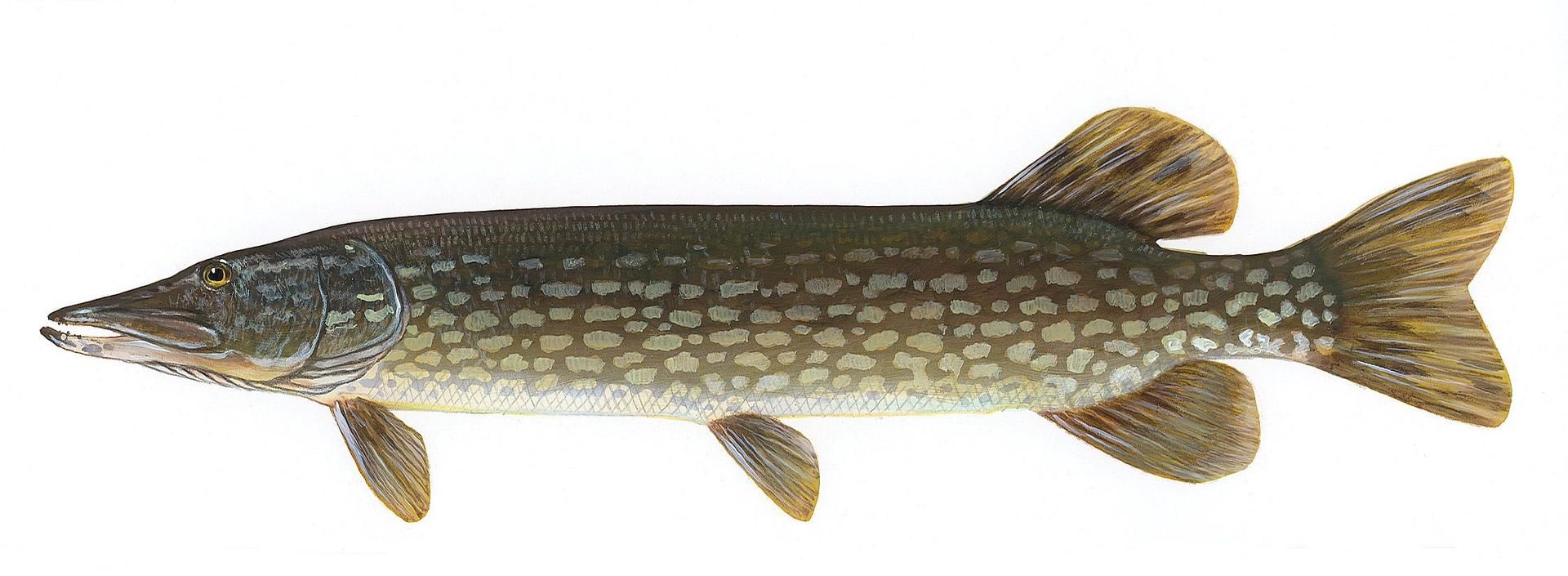
A: Early morning and evening hours produce the most aggressive feeding periods. Cloudy days and overcast conditions throughout daylight hours also yield excellent results. Late spring through early fall offers peak fishing opportunities, though Rock Bass can be caught year-round in most regions.
Q: Can Rock Bass be kept as aquarium pets?
A: Yes, Rock Bass make lively and animated aquarium pets that can live up to 18 years in captivity. They're intelligent fish that can be trained to eat pellets and recognize their owners. However, they require adequate space, rocky structures for shelter, and stable water conditions to thrive in home aquariums.
More species you can explore on this trip


St Joe Angler Available Trips
Other customer memories from this trip
Your guide navigates the Saint Joe River and surrounding Southwest Michigan waters using a specialized float setup designed for productive fishing while maintaining safety and comfort throughout your eight-hour day. The vessel positioning allows you to reach prime structure and habitat areas inaccessible from shore, with the guide managing drift speed and positioning so you can focus on casting and technique. With space for up to two anglers, the setup keeps the boat uncrowded and allows room for proper casting mechanics and fish-handling operations. The guide's knowledge of water conditions, current patterns, and seasonal fish locations shapes your route and stops throughout the day. You'll notice how the guide reads water conditions in real time, adjusting presentation and location based on visible and subtle environmental factors that influence fish activity and positioning.